Tensile Structure In Delhi
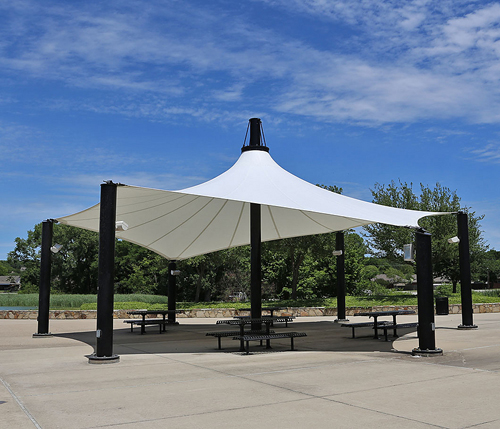
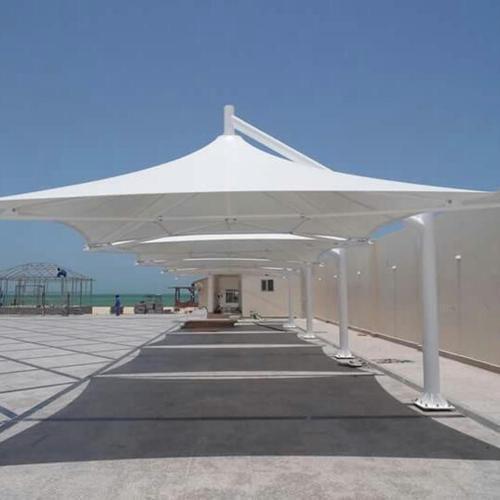
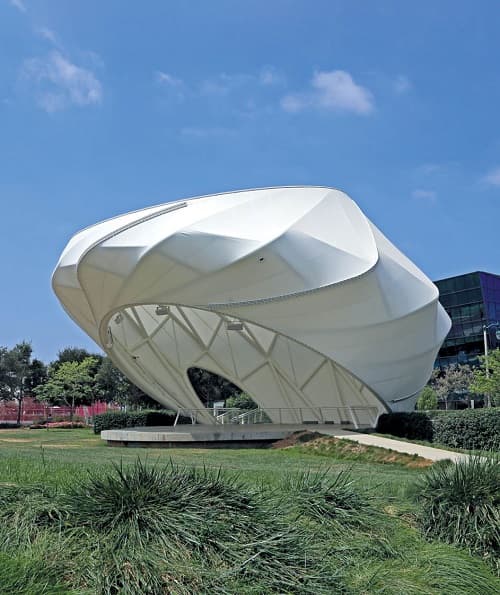
A tensile structure is a type of architectural design that utilizes tensioned elements, such as cables, ropes, or fabric membranes, to create the roof, walls, or both of a building or shelter. These elements are tensioned over a frame made of metal or other durable materials, which provides support and stability for the structure. The use of tensioned elements allows for a variety of shapes and sizes to be created and can provide UV protection and weather resistance. Tensile structures can be used for a range of applications, including tents, pavilions, canopies, carports, and other types of outdoor shelters, industrial, commercial, and sports facilities, roofing, and cladding. They are also often used in tensile fabric structures, space frame structures, cable-net structures, and tensile cable domes.
A tensile structure is a type of construction that uses tension to support its weight and withstand external forces, rather than compression or bending. Examples of tensile structures include tents, suspension bridges, cable-stayed bridges, and air-supported structures. The material used in tensile structures is typically a strong, flexible fabric or cable. The key characteristic of tensile structures is their ability to stretch and deform under stress, while still maintaining their overall structural integrity.
✅ Tensile Structure: Benefits & Advantages
1. Modern & Attractive Design
Tensile structures offer unique, eye-catching designs with smooth curves and innovative shapes that enhance the overall look of any space.
2. Lightweight Construction
These structures use minimal materials, reducing load on the building and making them ideal for large-span areas.
3. Cost-Effective Solution
Lower material costs, faster installation, and reduced labor make tensile structures more economical than traditional construction.
4. Quick Installation
Prefabricated components allow rapid assembly, saving time and minimizing disruption.
5. Natural Light Transmission
The fabric membrane allows soft daylight to pass through, reducing the need for artificial lighting.
6. Weather Resistance
Tensile fabrics like PVC and PTFE are resistant to UV rays, rain, wind, and extreme temperatures.
7. Low Maintenance
Durable and self-cleaning materials ensure long life with minimal maintenance requirements.
8. Flexible & Customizable
Available in various shapes, sizes, and colors to suit different architectural and functional needs.
9. Eco-Friendly
Uses fewer raw materials and supports energy efficiency, making it a sustainable construction option.
10. Easy Expansion & Relocation
Structures can be modified, extended, or relocated easily compared to permanent buildings.
Applications
- Car parking sheds
- Walkways & entrances
- Swimming pool covers
- Stadiums & auditoriums
- Resorts, malls & public areas
💡 Conclusion
Tensile structures provide the perfect combination of aesthetics, performance, and cost efficiency. They are an ideal choice for modern infrastructure, offering long-term durability and design flexibility.
Related Products