Tensile Fabric Structure In Delhi
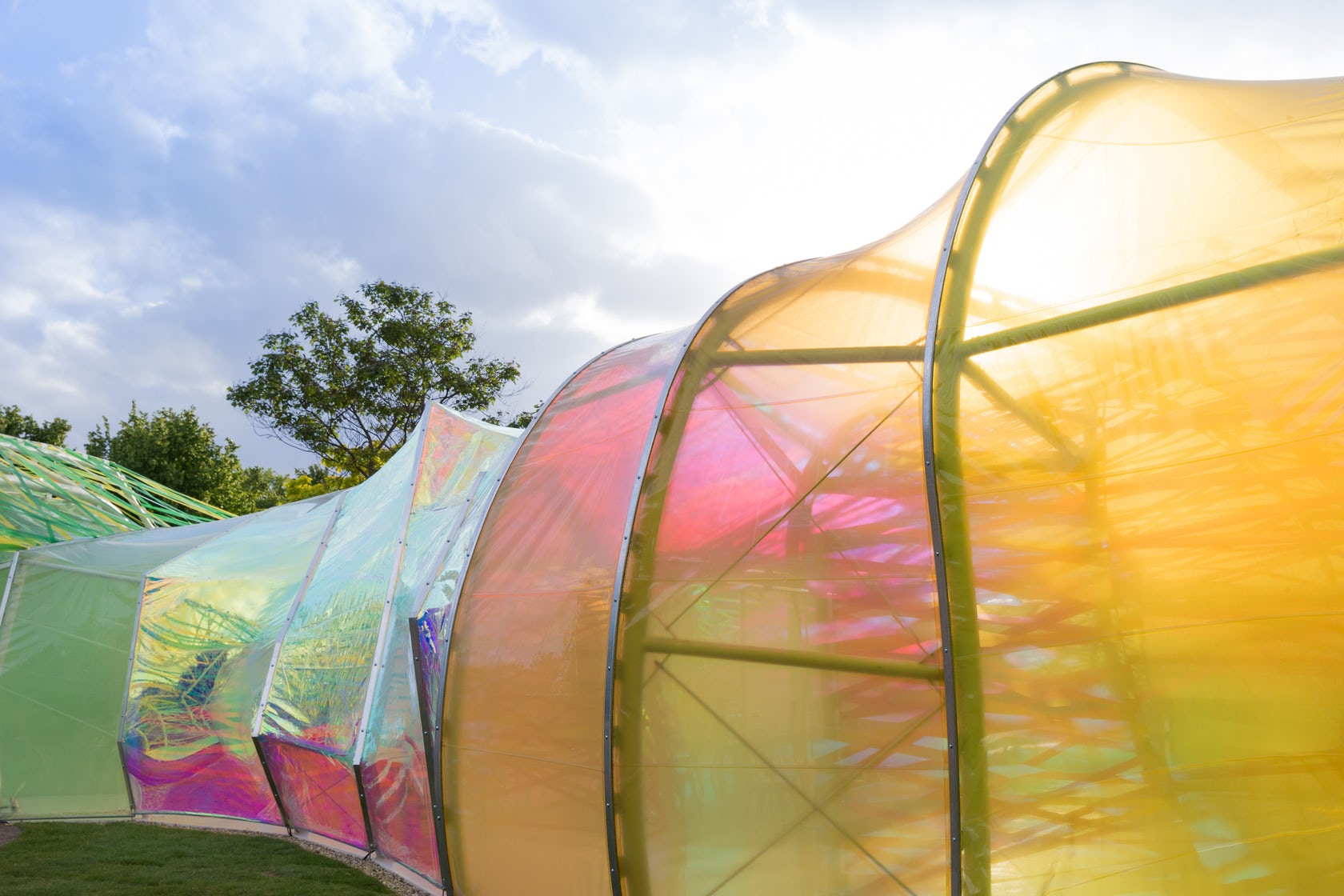
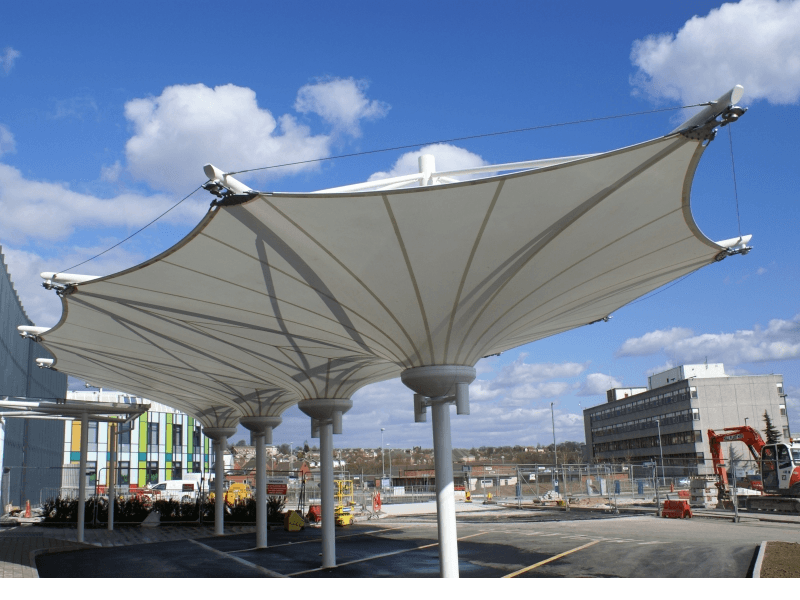
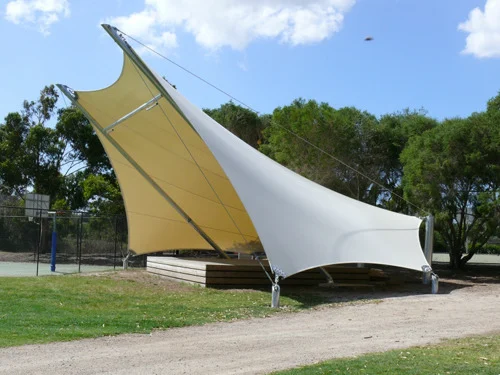
A tensile fabric structure is a type of architectural design that utilizes tensioned fabric membranes to create the roof, walls, or both of a building or shelter. The fabric is tensioned over a frame made of metal or other durable materials, which provides support and stability for the structure. The use of tensioned fabrics allows for a variety of shapes and sizes to be created, and can provide UV protection and weather resistance. Tensile fabric structures can be used for a range of applications, including tents, pavilions, canopies, carports, and other types of outdoor shelters. They are also often used in industrial, commercial, and sports facilities.
✅ Advantages of Tensile Fabric Structures
🌟 1. Modern & Eye-Catching Design
Tensile fabric structures offer unique shapes and smooth curves, creating a visually striking and contemporary architectural look.
⚡ 2. Lightweight Structure
These structures use minimal material compared to traditional construction, reducing load on the foundation and supporting framework.
💰 3. Cost-Effective Solution
Lower material usage, faster construction, and reduced labor costs make tensile fabric structures an economical choice.
⏱️ 4. Quick Installation
Prefabricated components allow for fast and efficient installation, saving time for commercial and industrial projects.
☀️ 5. Natural Light Transmission
The fabric membrane allows diffused sunlight to pass through, reducing the need for artificial lighting during the day.
🌧️ 6. Weather Resistance
High-quality fabrics like PVC and PTFE are resistant to UV rays, rain, wind, and extreme temperatures.
🧰 7. Low Maintenance
Self-cleaning and durable materials ensure long life with minimal maintenance requirements.
🎨 8. Flexible & Customizable
Can be designed in various shapes, sizes, and colors to suit different architectural needs and branding.
🌱 9. Eco-Friendly
Uses fewer raw materials and helps in energy saving, making it a sustainable building solution.
🔄 10. Easy Expansion & Relocation
Structures can be modified, extended, or relocated with ease compared to permanent buildings.
Related Products